artificial intelligence
It Was Never About AI
How the current panic about AI is actually a reflection of deeper issues with our values and the way we approach technology, economics, and humanity.
byEdison Ade · March 29, 2026 · 5 min read
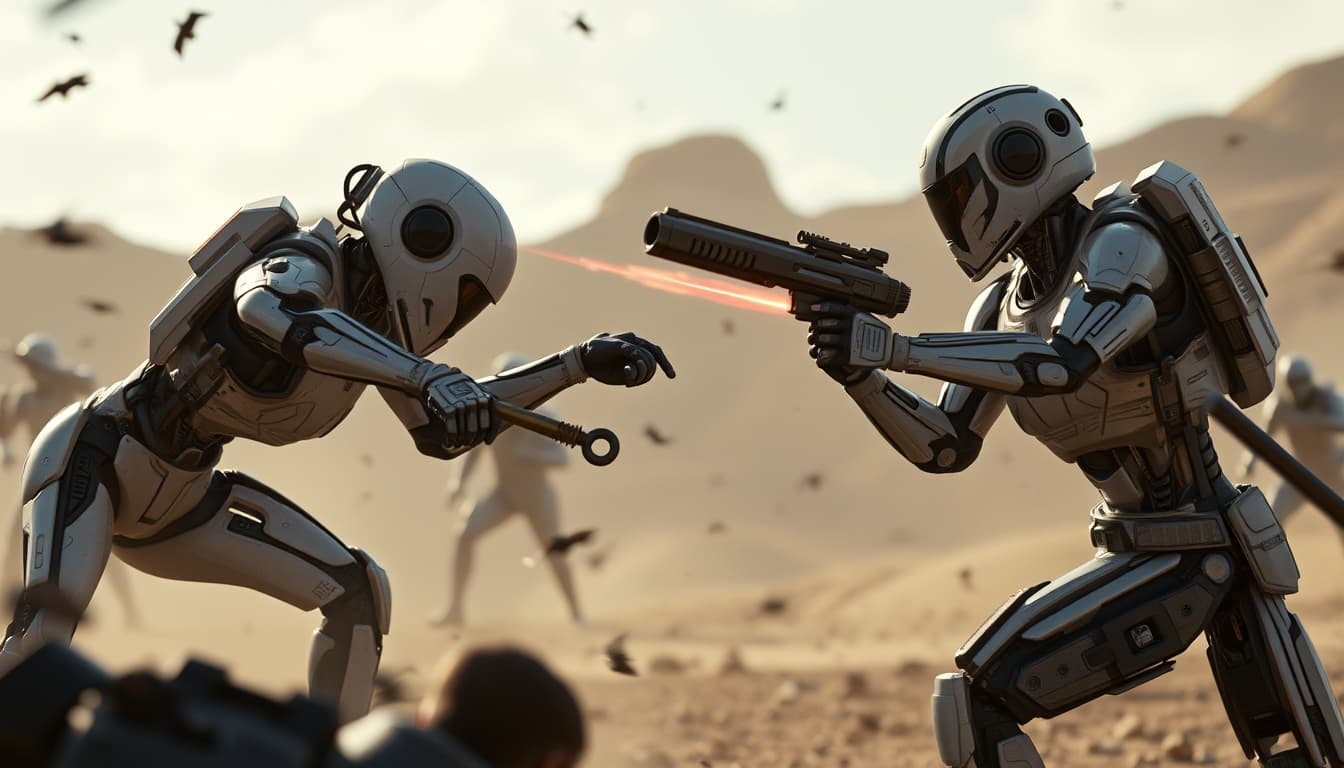
Let me say this plainly, because it needs to be said: this is not about AI.
It has never been about AI.
Every generation gets its monster. The printing press was going to collapse the church. The locomotive was going to destroy the human body. The assembly line was going to kill the craftsman's soul.
The internet was going to make truth obsolete. Each time, people gathered in rooms, real rooms, not digital one, and asked the same question underneath all the noise:
Are we being replaced by what we've built?
And each time, the real question was never about the technology. It was about us. What we value. What we're willing to give up. What kind of people we want to be on the other side of the change.
AI is just the latest way we're asking it.
We are not new to this panic, and we are not wrong to feel it. The concern is real. But the diagnosis is off. When a company lays off three thousand people because a 26-year-old analyst in midtown Manhattan compared headcount ratios in a spreadsheet, that is not an AI problem.
That is a values problem. When a founder stands on a stage and talks about "empowering humanity" while quietly eliminating the humans who built the thing, that is not a disruption problem.
That is a moral problem dressed up in a fleece vest. AI didn't create the worldview that treats workers as line items. That worldview was already running the system long before the models got good.
What AI has done is hold up a mirror. And we don't like what we see.
We have built an economy that financialised everything. One that rewards the quarter, not the century. That looks at a forest and sees lumber.
That looks at a person and sees a headcount. Long before the algorithms arrived, we had already decided that speed was virtue and patience was weakness. We had already built an infrastructure that extracted and disposed.
AI didn't design this architecture, it just accelerated it to a speed we can no longer pretend not to notice.
Think about the tree. Not metaphorically, literally think about a tree. There is not a single venture capitalist alive who would fund a redwood.
Too slow. No exit. Doesn't scale.
But the redwood outlasts every storm that takes out the fast-growing thing that shot up beside it. Root depth is the variable nobody's optimising for, and it is the only variable that matters when the wind comes. We built an economy without roots and then acted surprised when it started to shake.
The question we should actually be asking, the one worth gathering for, arguing over, writing about, is this: what is money for?
Is it a tool for building things that matter, or is it just a way of keeping score in a game that is making everyone miserable?
What does a business owe to the people who built it?
What does growth even mean in a world where loneliness is an epidemic, real wages have been flat for decades, and the people working the hardest are often the furthest from security?
These are not technical questions. They are moral ones. And no algorithm will answer them for us.
Look, tools are remarkable. They always have been. The axe extended the arm. The calculator extended the mind. Language itself was a tool, and it changed what human beings were capable of thinking. We are, by nature, tool-building creatures. There is no shame in that. The shame is in what we started confusing somewhere along the way: the idea that because a capability exists, it must be deployed.
That because a machine can do something, a person must go. That efficiency is always the goal, and everything else is sentiment.
That confusion is not innovation but abdication.
I know people who understand this. In practice, in the choices they make when the spreadsheet says one thing and their conscience says another. The business owner who refuses to cut her team even when the margin math says she should, because she knows that the margin math doesn't know the whole story.
The manufacturer who keeps his factory in the town where he grew up, because he understands that his profit and his community are not separate things — they are the same thing, just at different time horizons. The founder who looks at AI and says: this tool will serve us. We will not serve it.
These people are not naive. They are not ignoring the technology. They are simply clear about who is in charge.
I have people around me I could replace with AI. I genuinely could. But the work they do is not just output, it is presence, discovery, the particular kind of energy that happens when someone finds something unexpected and brings it back to you. That cannot be automated. Or rather: it can be approximated, but the approximation is not the same thing, the way a photograph of a meal is not the same thing as the meal.
We are not our tools. We have always been the ones who decide what the tools are for.
The conversation we need to have right now is not about what AI can do. It is about what we are trying to build, and for whom, and at what cost, and over what time horizon.
It is about whether we are going to use this extraordinary moment to double down on the extractive logic that got us here — or whether we are finally going to build something with deeper roots.
The trees are watching. They've survived longer than our systems. They know something we keep forgetting.
That which grows without roots does not survive the storm. And the storm, as anyone who has been paying attention already knows, is not coming.
It's here.
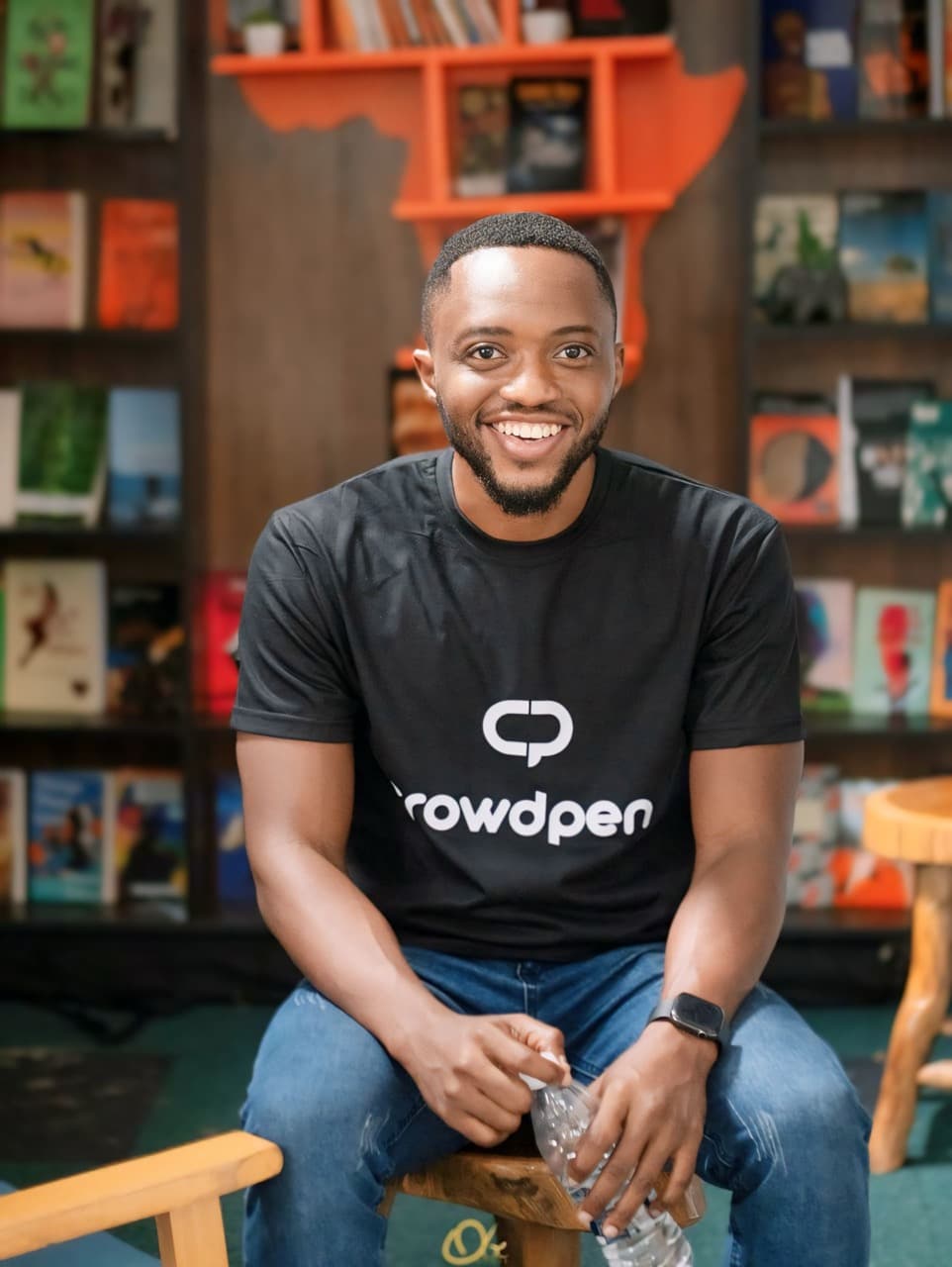
Written by Edison Ade
I help founders build companies that can think, sell and move without waiting on them.
About EdisonOne idea every Thursday.
Master the System: weekly insights on strategy, systems and growth.